
 Loading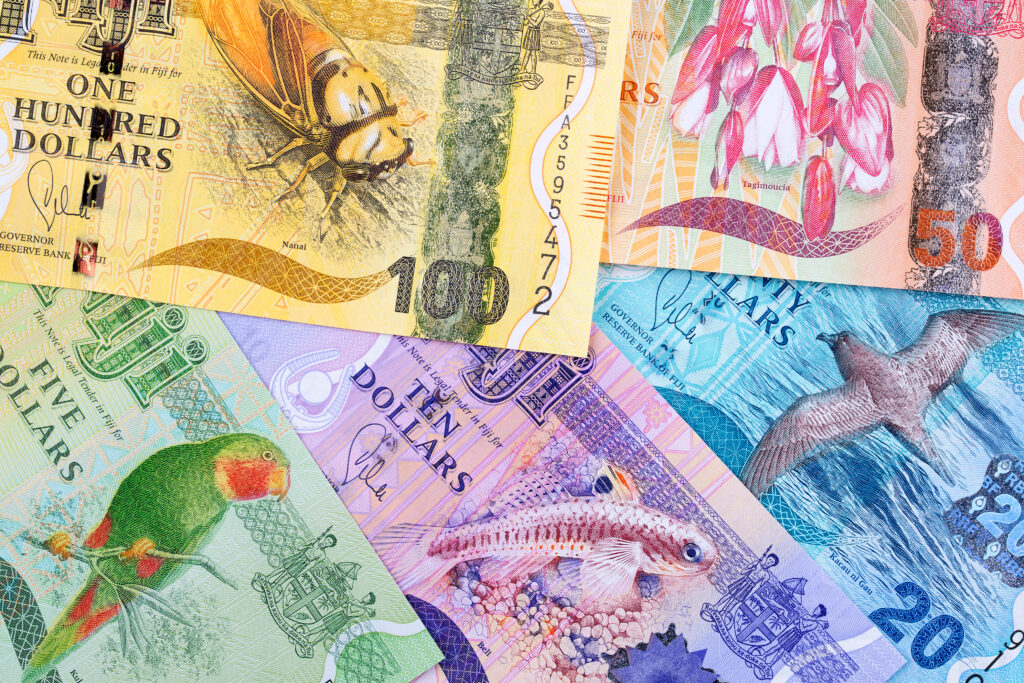
If you’ve returned from a tropical escape to Fiji with a few banknotes or coins tucked away in your wallet, you might be wondering about the story behind them. Fiji’s currency reflects the nation’s rich history, from its colonial past to its modern identity as an independent island nation.
Here’s a look at how Fiji’s currency has evolved over the years, and why those leftover Fijian Dollars are more than just holiday souvenirs.
Fiji’s early currency
Before Fiji became a British colony, trade was largely based on barter, with goods such as whale’s teeth (known as tabua) holding significant cultural and ceremonial value.
As European traders and settlers arrived during the 19th century, a variety of foreign currencies circulated throughout the islands. British pounds, Australian coins and other international currencies were commonly used alongside one another.
The colonial era
Fiji officially became a British colony in 1874, and its monetary system gradually aligned with Britain’s.
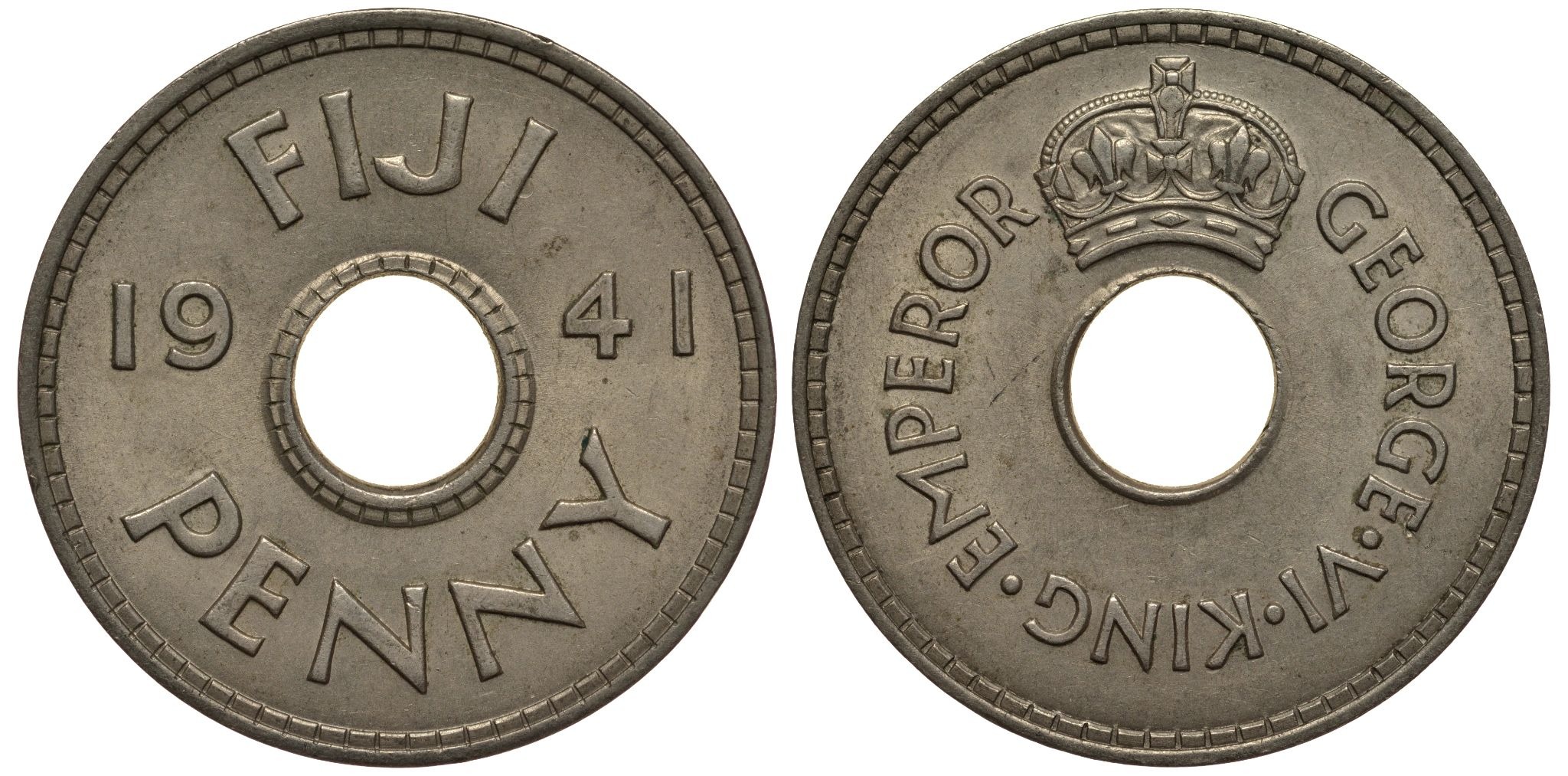
For many decades, the Fijian Pound was the country’s official currency. Like the British system at the time, it was divided into shillings and pence, making calculations far more complicated than today’s decimal currency.
Coins and banknotes from this period often featured British monarchs, reflecting Fiji’s place within the British Empire.
The introduction of the Fijian Dollar
A major change came in 1969, when Fiji introduced the Fijian Dollar, replacing the Fijian Pound.
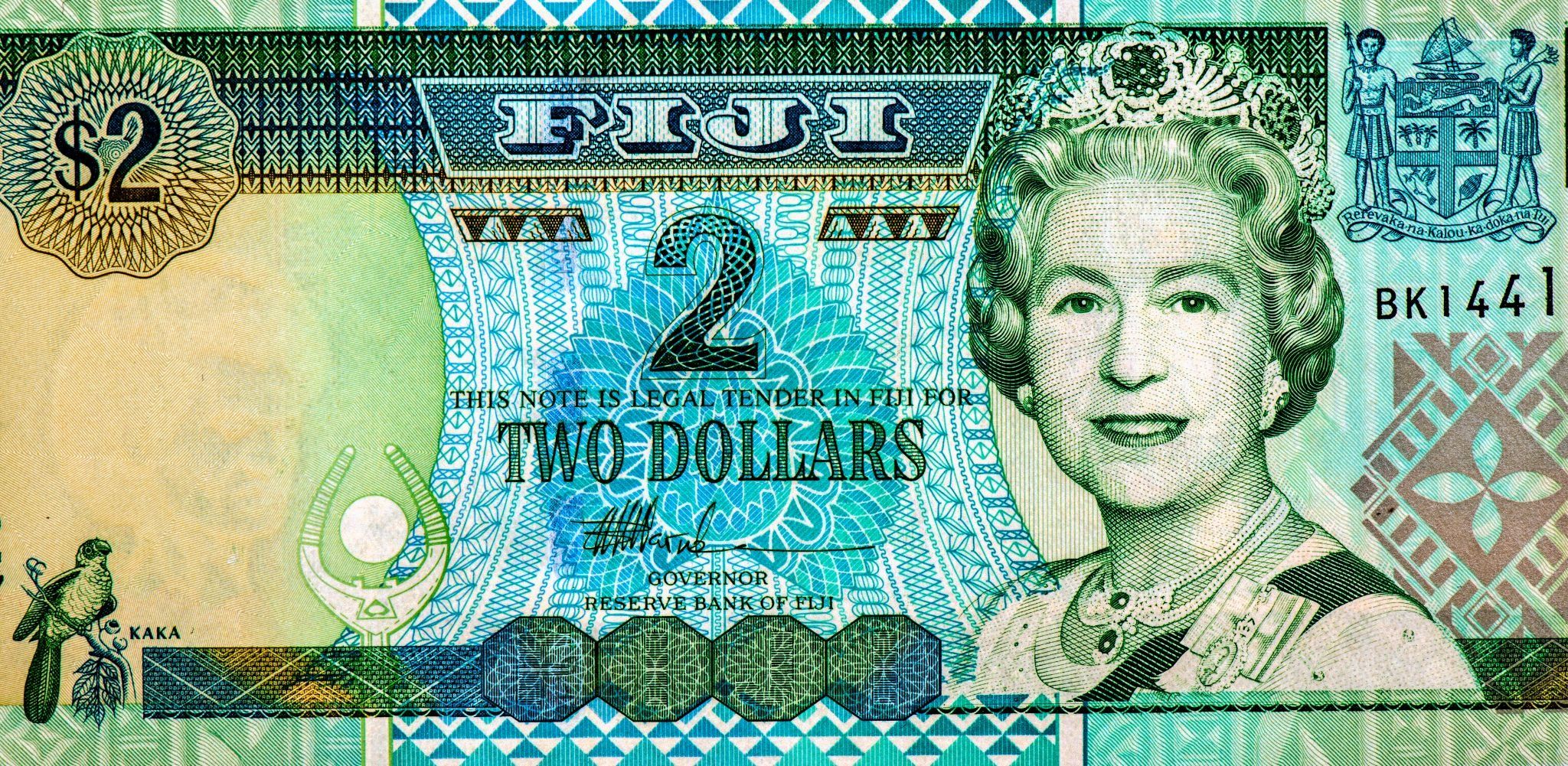
Fiji gained independence from the United Kingdom in 1970, just one year after introducing the Fijian Dollar. Although Fiji became an independent nation, many banknotes continued to feature Queen Elizabeth II.
A new look for Fiji’s banknotes
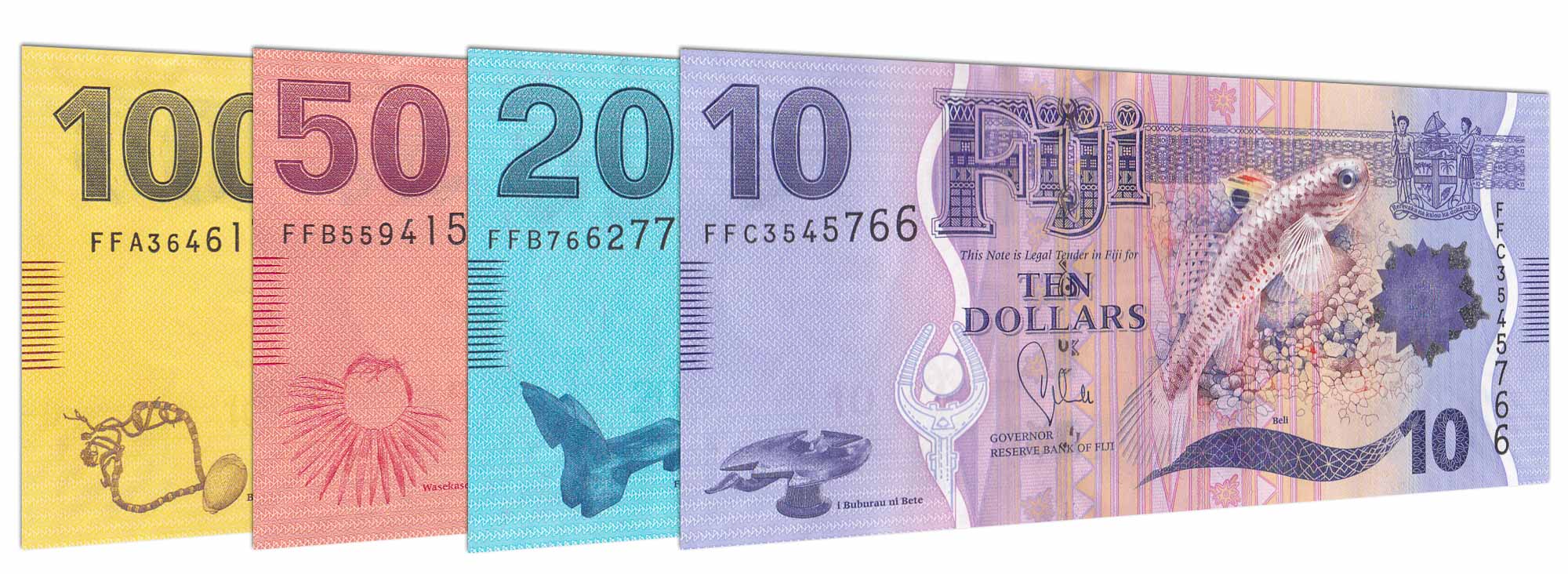
In 2013, Fiji unveiled an entirely new family of banknotes. Perhaps the biggest change was the removal of Queen Elizabeth II’s portrait. The currency now showcases the country’s unique wildlife, native plants and marine life.
- 5 FJD banknote: Shows a colourful Kulawai bird on the front, with a Fiji Crested iguana, Balaka palm and Masiratu flower on the back.
- 7 FJD banknote: Celebrates Fiji’s Rugby 7s Olympic gold win, featuring Ben Ryan, Osea Kolinisau and the winning team.
- 10 FJD banknote: Features a Beli fish on the front and Suva’s famous Grand Pacific Hotel on the back.
- 20 FJD banknote: Shows a Fiji Petrel on the front, with sugarcane, mining scenes and Mt Uluinabukelevu on the back.
- 50 FJD banknote: Features the Tagimoucia flower and a whale’s tooth necklace, with a traditional Tabua and Yaqona ceremony on the back.
- 100 FJD banknote: Highlights Fiji’s wildlife with a cicada and Golden Cowrie, plus a warm tourism scene on the back.
Exchange your Leftover Fijian Dollars with Leftover Currency:
If you’ve returned home with unused Fijian Dollars, don’t leave them sitting forgotten in a drawer.
Here at Leftover Currency, we exchange current Fijian Dollars. Head over to our exchange rates page and discover the hidden value of your currency today.